Choosing the right window covering for your home is more than just about aesthetics—it’s about creating a comfortable, functional space that suits your lifestyle. With so many types of window coverings available, from blinds and shades to curtains and drapes, it’s important to consider a range of factors before making your choice. Whether you’re designing your dream home or looking to refresh a single room, here’s a complete guide to help you pick the perfect window treatment.
Understanding the Basics: What are Window Coverings?
Window coverings are protective or decorative elements used to cover windows, offering a range of functional and aesthetic benefits. These can be anything from curtains and blinds to shades and shutters. Window coverings help regulate light, offer privacy, enhance home décor, and contribute to energy efficiency. They’re not just about aesthetics; they play an essential role in comfort, temperature control, and even mood setting in your home.
1. Light Control & Privacy
When choosing window coverings, it’s essential to think about how much light and privacy you need in each room.
- Light Control: Some areas of your home, like the living room, might benefit from light-filtering treatments that allow natural light to brighten up the space without making it feel too bright or harsh. On the other hand, for bedrooms or home theaters, you might want something that offers more light-blocking properties, such as blackout shades or heavy drapes.
- Privacy: Privacy is crucial in rooms like bathrooms or bedrooms, where you don’t want the outside world peeking in. Window coverings like roman shades, or layered drapery provide good privacy while still allowing some light to filter in.
Balancing both light and privacy will depend on your specific needs for each room. In some cases, layered options (e.g., sheer curtains with thicker drapes) offer the best of both worlds.
2. Energy Efficiency
Energy-efficient window coverings can help maintain a comfortable temperature inside your home while reducing your energy bills.
- Insulating Options: Cellular shades or thermal curtains are designed to trap air and insulate your home, keeping it cooler in summer and warmer in winter. These are a great choice if you’re looking to reduce your energy consumption.
3. Aesthetic Appeal
Window coverings are a key design element in any room, so it’s important to choose something that complements your home’s interior style. Beyond their practical function, they serve as an important design element that can enhance or detract from the space’s look. When considering aesthetic appeal, think about the mood or style you want to create—whether it’s modern and sleek, cozy and traditional, or rustic and natural.
Choosing Window Coverings for Different Rooms
Every room in your home has different needs when it comes to window treatments. Factors such as privacy, lighting, moisture, and style all influence what kind of covering is best suited for each space. Here’s a room-by-room guide to help you make the right choice:
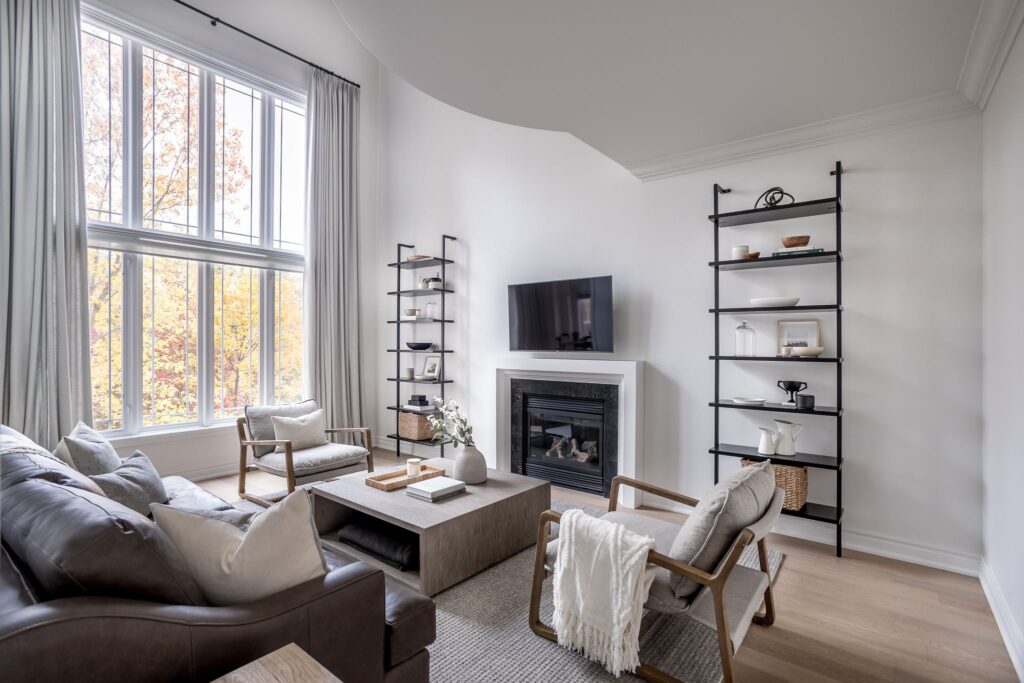
Living Room: Balance Light, Style, and Versatility
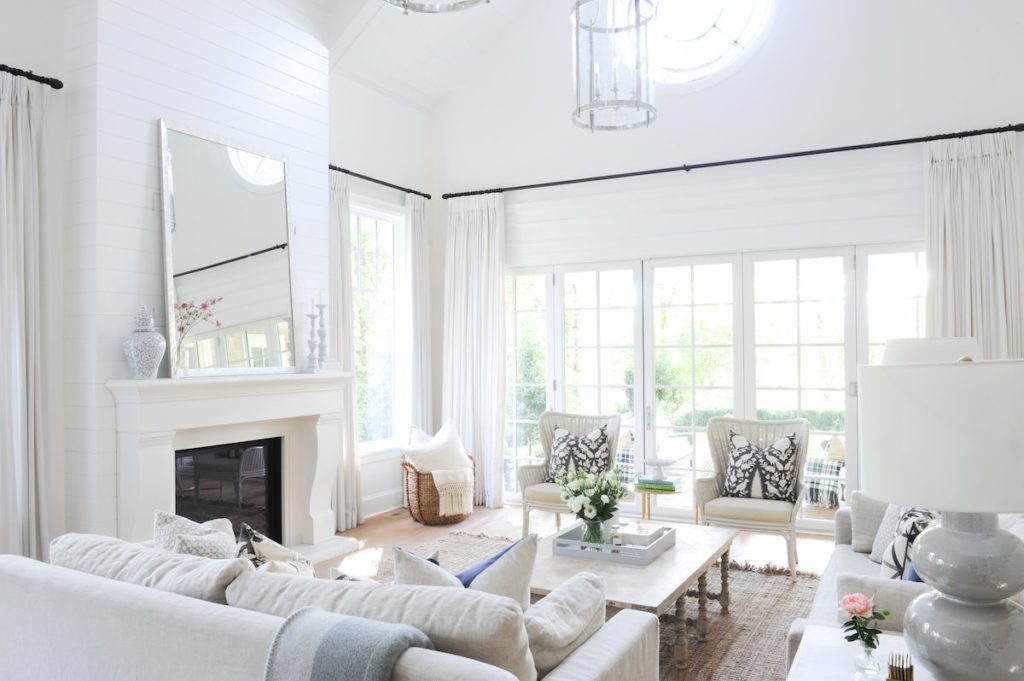
The living room is often the most visible and frequently used space in your home, so the window coverings here should be both functional and aesthetically pleasing. You’ll want to allow in plenty of natural light while also having the option to control glare and maintain privacy during the evening hours.
Recommended Options:
- Sheer curtains for a soft, elegant look that diffuses light.
- Layered drapes with blinds or shades for flexibility—open during the day, closed for privacy at night.
- Roman shades if you prefer a clean, contemporary look.
Style Tip: Choose fabrics and colors that complement your furniture and décor style—neutral tones work well for timeless appeal, while bolder prints can add personality.
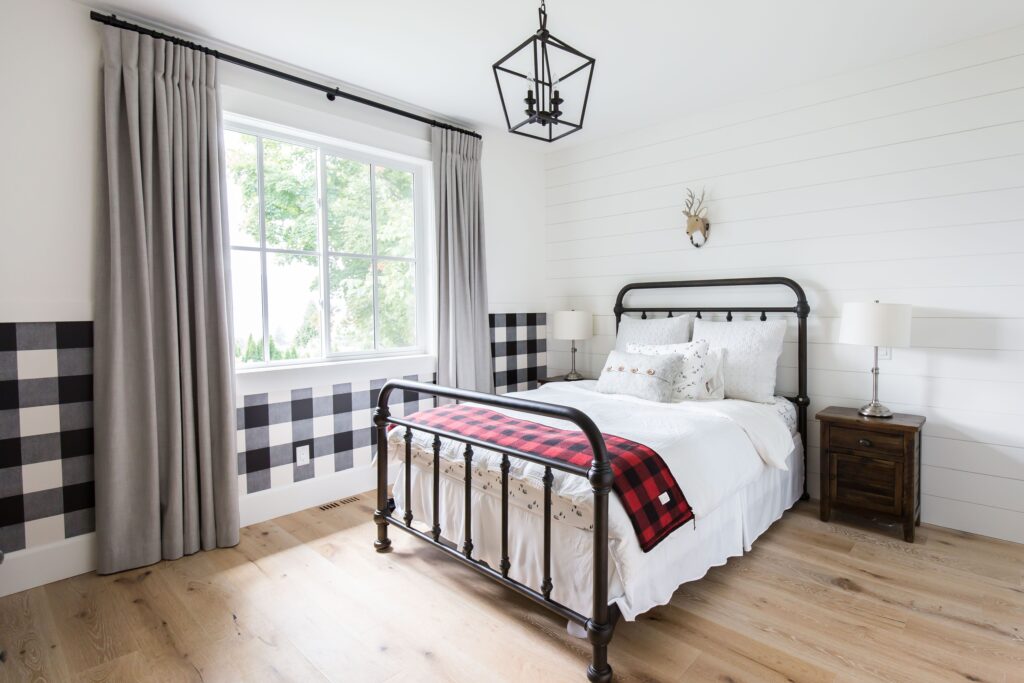
Bedrooms: Maximize Privacy and Light Control
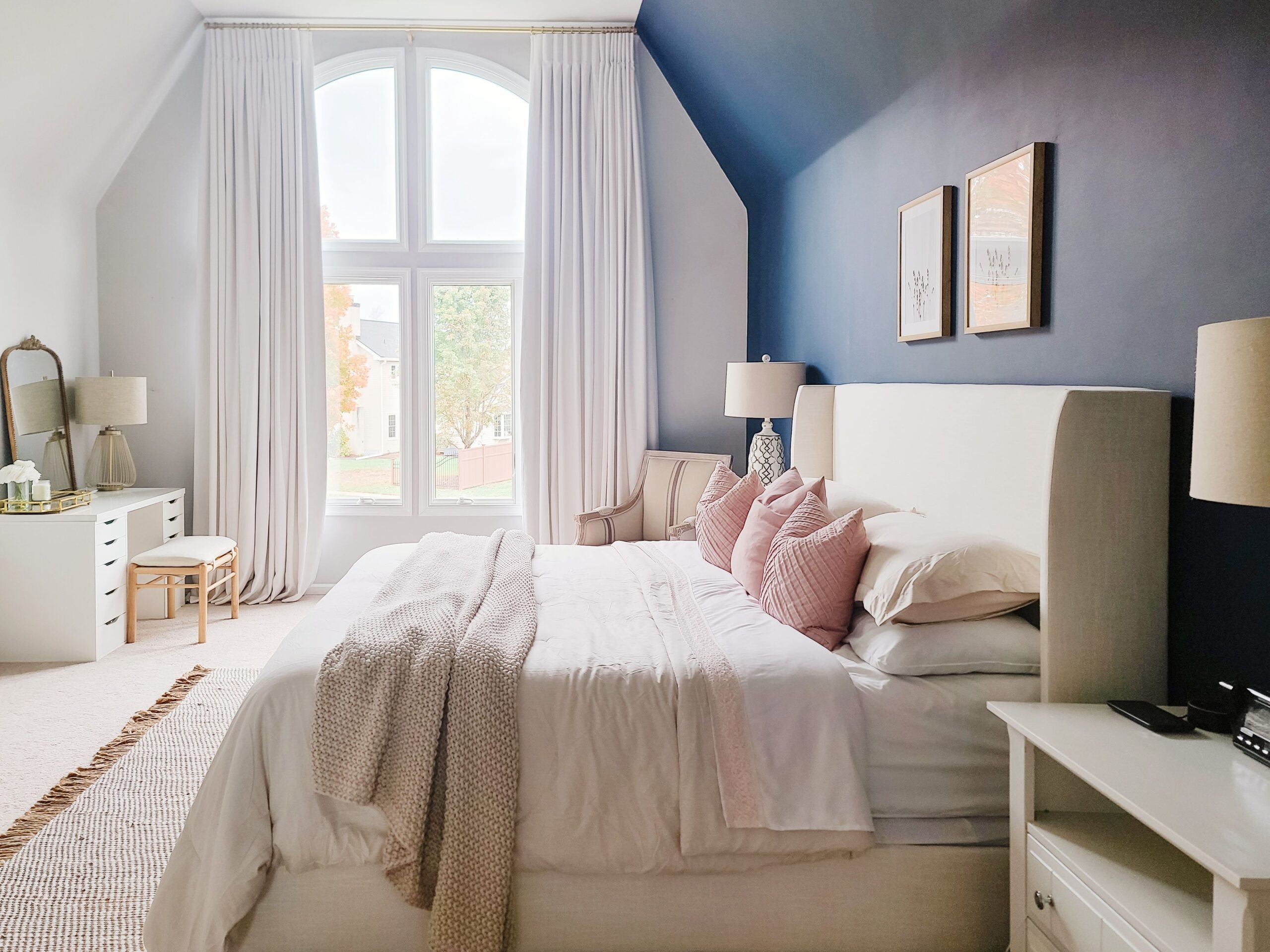
In bedrooms, the focus is on privacy, comfort, and sleep quality. Light control is key—especially if you’re sensitive to early morning light or live in an area with street lights.
Recommended Options:
- Blackout Roman shades in soft, calming colors
- Layered drapery panels for warmth and elegance
- Minimal valances in guest or children’s rooms to soften the look
Style Tip: Opt for soft, calming colors that promote rest—like blues, greys, and earth tones.
Kitchen & Dining Areas: Keep it Stylish & Clean
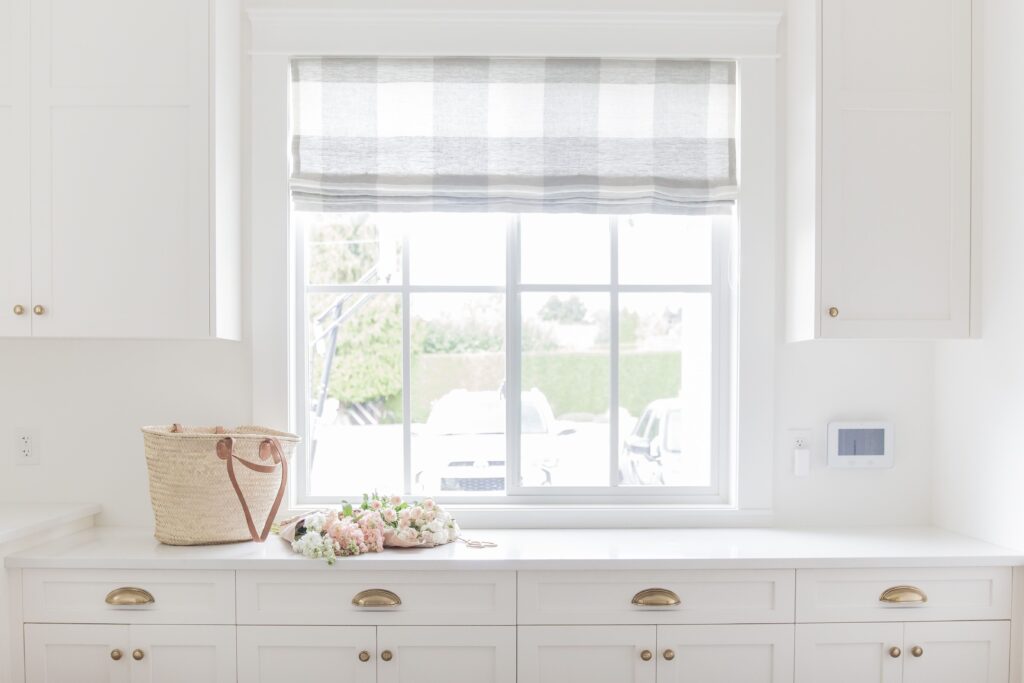
Window coverings in kitchens and dining spaces should strike a balance between style and practicality. Look for options that are easy to clean, can handle heat and moisture, and won’t get in the way of cooking or movement.
Recommended Options:
- Relaxed Roman shades in washable fabrics for everyday use
- Classic valances for casual charm in kitchens
- Floor-length drapes in the dining area to add elegance and warmth
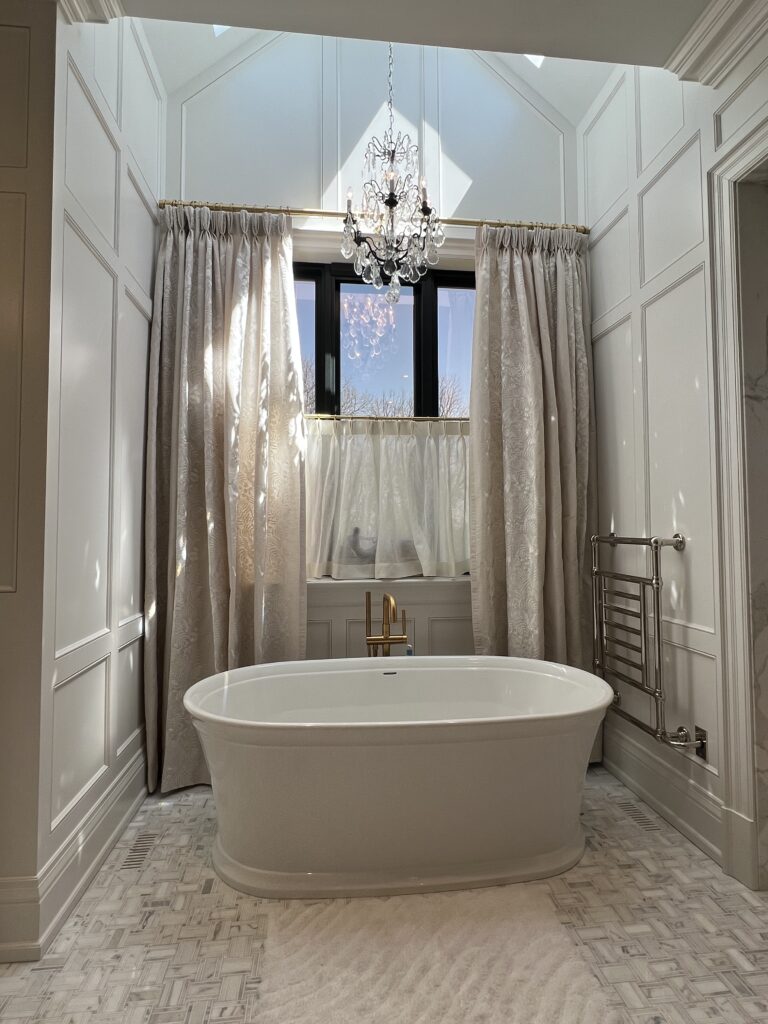
Bathrooms: Prioritize Privacy and Moisture Resistance
Bathrooms have unique needs when it comes to window coverings, especially in terms of privacy and humidity. Materials should be moisture-resistant to prevent mold and mildew.
Recommended Options:
- Fabric Roman shades in water-resistant materials
- Simple tailored valances over frosted glass or paired with shades
- Avoid drapery unless the space is large and well-ventilated
Style Tip: Keep it simple and functional—neutral colors or soft pastels can help create a spa-like feel.
Where To Use Types of Window Coverings
Choosing the right window covering goes beyond style—it’s also about how it functions in a specific space. Some treatments are better suited for privacy, while others work best for softening a room or letting in natural light. Here’s a breakdown of where different types of coverings tend to shine in the home:
Roman Shades
Ideal For: Bedrooms, Home Offices, Bathrooms, Kitchens
Roman shades are perfect when you want a balance of elegance and practicality. They offer a tailored, streamlined look that works beautifully in both casual and more refined spaces. In bedrooms and home offices, they provide excellent privacy and light control while maintaining a clean silhouette. In kitchens and bathrooms, they’re compact and unobtrusive—ideal for windows above sinks, counters, or tubs where longer fabrics could get in the way. They also allow you to play with fabric textures and patterns without overwhelming the space.
Drapery Panels
Ideal For: Living Rooms, Dining Rooms, Large Bedrooms, Patio Doors
Drapery panels are best in spaces where softness, drama, or a finished look is desired. They’re ideal for framing large windows or sliding doors and can help a room feel taller and more luxurious. In living and dining rooms, they create warmth and sophistication, especially when layered. In bedrooms, they offer excellent light blocking and insulation, making them both beautiful and functional. Drapes can also help dampen sound, which is useful in high-traffic or open-concept areas.
Cafe Curtains
Ideal For: Kitchens, Breakfast Nooks, Bathrooms
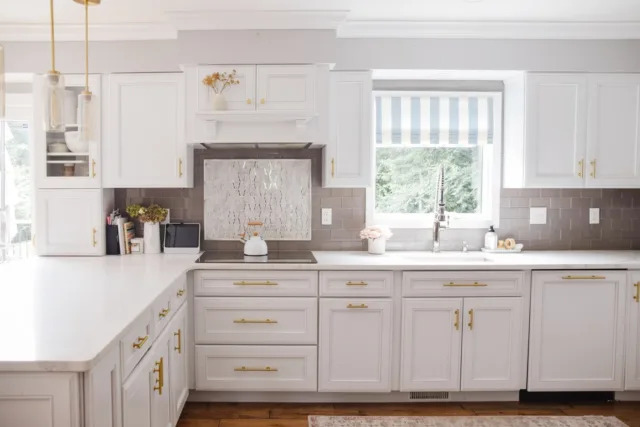
Café curtains are a charming and practical choice for areas where you want some privacy without blocking all the natural light. They typically cover just the lower portion of a window, making them ideal for kitchen windows over the sink or a cozy breakfast nook. In bathrooms, they provide modesty while still letting in daylight. Café curtains work especially well in casual or vintage-inspired spaces and offer a great opportunity to introduce color or pattern in a subtle way.
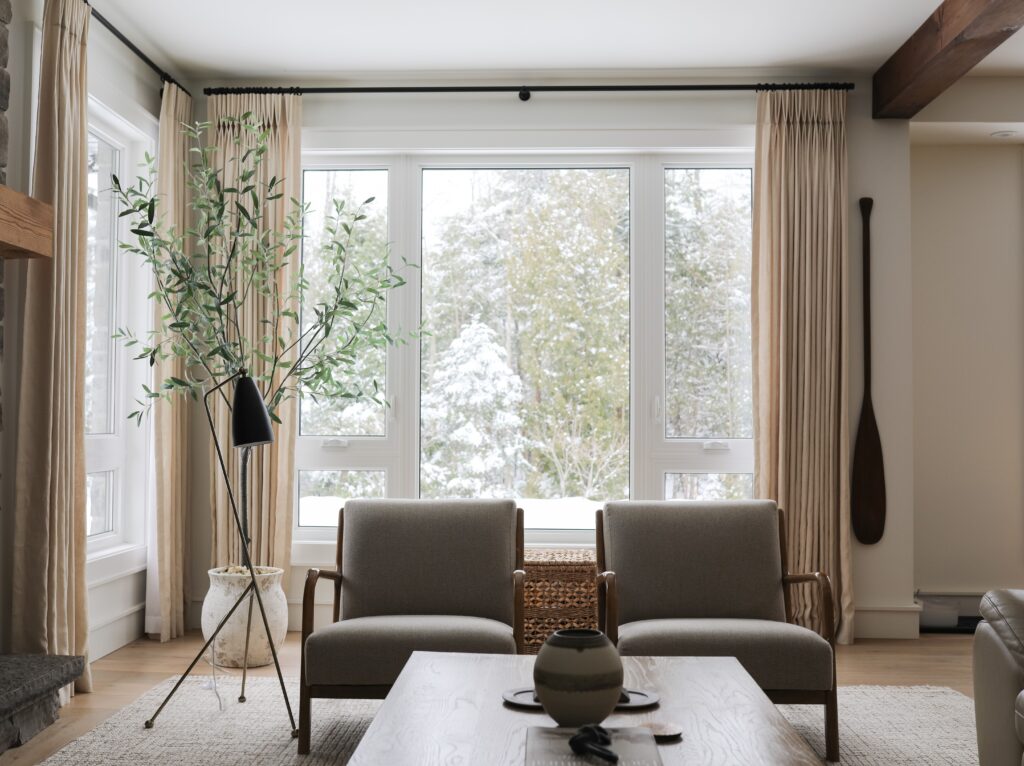
Matching Window Coverings with Your Home’s Interior Style
Choosing the right window covering isn’t just about function—it’s also about creating harmony with your home’s overall design. When selected thoughtfully, they can reinforce your aesthetic, complement your furniture and finishes, and bring balance to a space. Here’s how to approach window coverings in two of the most popular design styles:
Modern & Minimalism
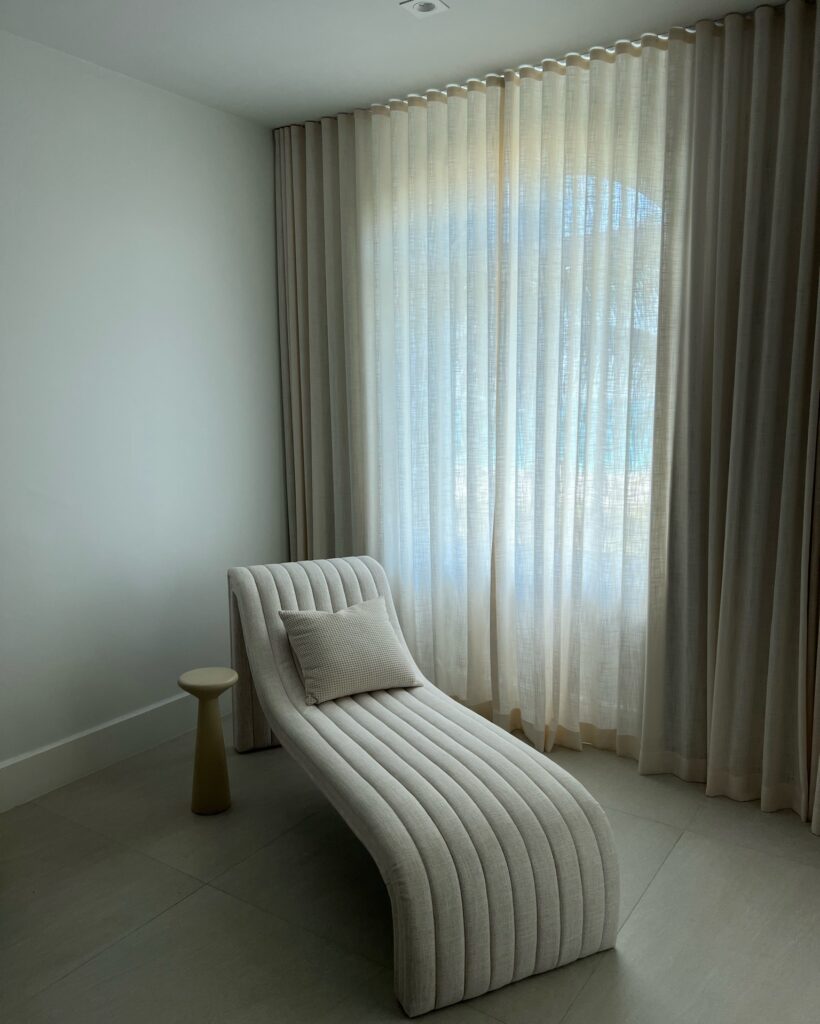
Modern and minimalist interiors focus on clean lines, neutral tones, and simplicity. Window coverings in these spaces should feel sleek and understated, with minimal detail and a tailored appearance.
Light-filtering fabrics in solid colors or soft textures work best, offering privacy without disrupting the open, airy feel. Keeping treatments flush with the window frame can help maintain a clean, architectural look.
Avoid heavy or ornate styles here—subtle and functional is the way to go.
Traditional & Classic
Traditional interiors lean into richness, comfort, and timeless elegance. In these spaces, window coverings can add depth and act as a key design element.
Layered fabrics, soft folds, and subtle patterns or trims help reinforce the classic feel. Think tailored finishes that coordinate with the room’s textures, furniture, and color palette.
In more formal rooms, structured or decorative treatments can become a focal point, enhancing the overall warmth and sophistication.